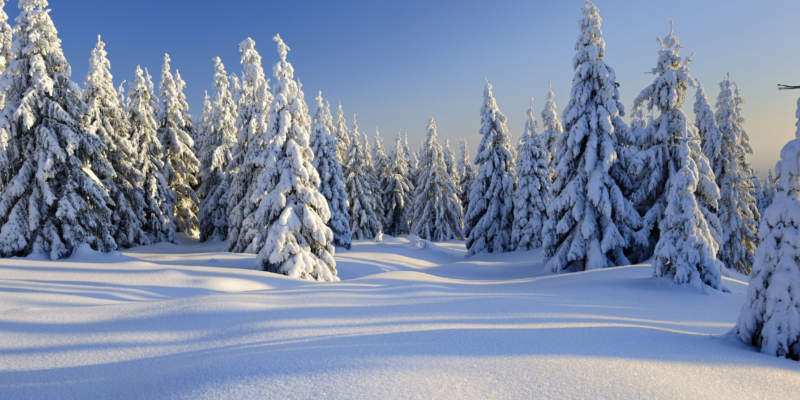
Winter Is the Leadership Season Most People Waste
There’s a moment every year when the cold finally settles in—when the air bites, the wind stings a little, and everything seems to slow to half-speed. If you’ve lived through enough winters, you know the rhythm: plans tighten, teams move a little heavier, and even the most motivated people start looking ahead instead of right in front of them.
But the leaders who consistently outperform, the ones who build strong teams and predictable revenue engines, view this season through a different lens.
Winter isn’t downtime.
Winter is training.
Most people see cold as resistance. High performers see it as feedback. It’s the natural pause that exposes the truth about how you operate when the momentum isn’t carrying you. Winter doesn’t reward force; it rewards presence, clarity, and an ability to work with what is instead of wrestling with what you wish it were.
And this is where emotional intelligence quietly separates the leaders who grow from the ones who stall.
In my own life, some of the biggest inflection points didn’t happen during the easy seasons. Growth showed up when things felt quiet, slow, or heavy. Those “winter” periods where you’re forced to stop running long enough to see what’s really going on. You can fight that pause or you can learn from it. Once I stopped pushing against the season and started paying attention to it, the entire experience shifted. I realized that every winter carries the same simple message:
This is temporary. And what you do with it matters.
The same dynamic plays out inside marketing teams and executive leadership.
Most leaders treat winter (literal or metaphorical) as something to “get through.” They wait for the energy to return, for budgets to unlock, for the new year to start moving again. But if you look closely, winter gives you access to three strategic advantages you don’t get during peak-season chaos.
First: awareness.
When the noise dies down, the gaps get loud. You see which processes actually work. You see where teams are strained. You see which priorities still matter when the calendar pressure disappears. This is hard to spot when everything is moving fast.
Second: emotional regulation.
Winter tests patience. It challenges leaders to stay grounded when timelines stretch or uncertainty creeps in. The leaders who can stay steady in the cold are the same ones who perform with sharp consistency when things heat up again. You can’t fake calm. Winter exposes the truth.
Third: relational equity.
Slower seasons create space for deeper conversations. The kind of conversations that build trust, shape culture, and unlock better creative problem-solving. When you’re not sprinting, you can actually listen. Your team notices. And when spring arrives, they run harder because they feel seen.
The colder months teach us a simple but powerful discipline: control the only thing you can, your internal state. Everything else is weather.
Your job isn’t to demand summer energy in a winter season. It’s to use winter to build the strength, lucid mindset, and emotional capacity you’ll need when the pace inevitably returns. And it will return. It always does. This too shall pass.
But when it does, the leader who used winter well walks into spring with more focus, more strategic conviction, and a team that’s far more prepared than the ones who went into hibernation.
The cold doesn’t slow strong leaders down.
It sharpens them.